Tomatoes are probably the most popular garden plants, they are the first vegetables most gardeners grow and as they become more experienced they are likely to plant more rather than fewer tomatoes. There are so many varieties of tomatoes available, in different shapes, sizes, and colors that selecting for a small space or limited budget can be a real challenge.
Tomatoes can be sorted into cherry/slicer/sauce or determinate/indeterminate or ultra early/extra early/early/midseason/late or tomato leafed/potato leafed... like I said, it can be challenging to pick just a few.
From my own experience, and based on your personal needs, I suggest planting at least three tomatoes each year. If your family likes cherry tomatoes plant a few of them; if they like slicers and cherries, mix it up accordingly; if you plan to do some canning, freezing, or drying do saucing tomatoes as well.
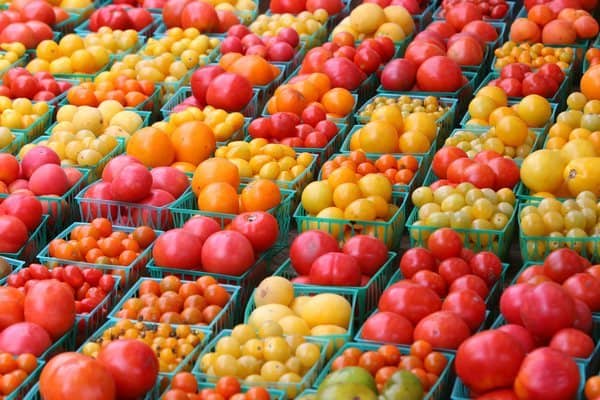
The primary difference between these types is size and dryness. Cherry tomatoes (or grape, currant, etc.) are generally one to two-bite sized. Depending on the variety they can be super sweet flavored to tart. They can be highly wet and juicy like a mandarin orange or thicker skinned and drier (more like a tiny roma). Generally cherry tomatoes run in the sweet and juicy category, more than the dry and tart. They come in every possible color; white, yellow, orange, red, pink, purple, brown, green, even striped.
Slicing tomatoes are what people think of for thick slices of ripe tomato on their burgers. They are usually much larger than cherries. Slicers tend toward rich tomato flavor, lots of juice and large seed pockets. They are delicious for fresh eating but don't make the best sauce since their flavor is not as strong as a saucing tomato and they have less actual flesh; all slicers would make a very watery, seedy sauce.
Saucing tomatoes are meaty, they contain fewer seeds in smaller seed pockets than slicers. They have much more actual "flesh" to them. Saucers also tend to be more tart than slicers or most cherries, this tartness is due to a higher acid content (which is necessary for safe canning). They also make excellent sun-dried tomatoes because of their lower moisture content.
Personally, I never seem to plant enough saucing tomatoes to make full batches of sauce so often add a few slicers or excess cherries to fill it out. This year I'm hoping to solve that problem.
Determinate tomatoes tend to be shorter in season, they keep a compact size and are preferred for container gardening. Determinates will grow to a certain size, put on almost their entire crop at once and then stop producing. These are a great option for canning if you have enough of them because all of the tomatoes are ready at once. They also are handy because of their shorter season, and are likely to be the first tomatoes of the summer.
Indeterminate tomatoes will grow throughout the summer, and produce fruits one after another, after another up until the weather cools. They can get up to 10' or even 12' tall, and can produce 15 lbs of fruit or more before cold weather sets in. Indeterminates tend to outproduce determinates, but the fruits come on a few at a time over the summer.
Remember the difference: Determinates are determined to fruit at once; indeterminates will grow to an indeterminate height.
Choosing based on season can be very confusing. Here in the Willamette Valley we can easily get 100-120 days of pure sunshine over the summer. It rains 9 months of the year here, but for the 3 months of summer and even into the Fall a bit we have completely dry sunny days. Effectively this means by starting seeds inside we can plant even the latest season tomatoes here. People living in areas with higher altitudes, or higher latitudes may find they can only get fruit from the ultra early, extra early, early, and maybe midseason varieties. Also those in warmer climates than mine may find that planting in summer gives them bushy plants but little fruit; this is because tomatoes will often stop producing flowers when temperatures are above 80 degrees. If this causes you trouble try starting plants inside and then moving them into the garden earlier in the year when nighttime temperatures no longer drop below 40.
If you plan to plant a lot of tomatoes try mixing it up and including both early and late season plants. This should keep you in tomatoes from mid-June until October. If you are more limited in space give midseason varieties a try, they can be a good way to test whether you should swap to an earlier producer, or if a later one would work in your garden. In my opinion, the very best tomatoes I grow are late season and I recommend trying to get at least one of them into your garden.
Some other things to consider with tomatoes:
- potato leafed varieties can be great but tend to be more susceptible to late blight and fungal diseases,
- watch for resistant varieties where possible,
- some of the best flavored tomatoes are heirlooms and I highly recommend them,
- crack resistance can be important in containers (where plants are more likely to dry out between watering) and in late season plants (chilling and warming in early fall can cause cracking),
- if the varieties you select don't seem to do well in your garden there are plenty more to choose from!
Here's a quick list of some varieties I've had experience with in my own garden.
Stupice: ultra-early. I wasn't impressed by these, the tomatoes were fairly small and my harvest was not particularly good but they had a great slicing tomato flavor. I have heard other people rave about them, but I prefer my slicers to be larger.
Oregon Spring: extra early, determinate, slicer. Loved these! Stumpy 2'-3' plants put on nearly 10 full sized slicer fruit that were delicious, also the earliest of the varieties I planted last year. Plants were healthy and compact and would likely do very well in containers.
Beaverlodge Plum: ultra early, determinate, sauce/slice. These produced great fruit, that were a bit on the juicy side for saucing but very tasty. Fruit came about the same time as the Oregon Spring ones. Got a bit tall and probably wouldn't do as well in containers as more compact varieties would.
Oregon Cherry: cherry, determinate. These did not produce particularly well even when all the other tomatoes did. Also, the fruit are not the juicy sweet globes you expect from a cherry tomato, they are more like a tiny roma. Tart, and more dry. I was disappointed in this variety.
Sweet Million: early, indeterminate, cherry. My favorite so far of the cherry varieties (I've only tried a few though). Little red spheres are one to two-bite sized, and pop open on the tongue nicely with thin skins, tons of juicy goodness, and a sweet flavor. The epitome of a cherry tomato.
Chocolate Cherry: indeterminate, cherry. Everyone loved these! These little globes are a purplish brown in color, and plants produce well. Sweet, juicy, thin skinned. My mom compared their flavor to that of a plum. Yum!
Cuore di Bue (oxheart): indeterminate, mid- to late season, sauce/slicer. This is one of my favorites. Plants have been consistently healthy (planted them for 3 years now). Fruits are very large, meaty, and flavorful. They have a great rich flavor to them. Dry enough for saucing, but moist enough to use as a slicer as well. I absolutely recommend giving them a try.
Black Plum: heirloom, indeterminate, mid-season. I was very impressed with the health and productivity of this variety. The fruit were plentiful and tasty, with more sweetness to them than the Beaverlodge Plums. They are a little too juicy for good saucing, but are excellent slicers. The downside is that most of the fruit were fairly small; which makes using them for sauces a pain as well.
Brandywine (Pink): heirloom, indeterminate, late season. Everyone raves about Brandywine, and for good reason. This potato leaf variety is not a big producer, but what it does produce is often huge! Last year I picked a Brandywine that was as large as a small pumpkin, and weighed in at about 3.5 lbs. Fruits are large, juicy, sweet, meaty, and rich. They have the best old fashioned tomato flavor. However, as late producers a cool summer means fruits may never ripen (they are great as fried green tomatoes too), they are not prolific producers, they are fairly susceptible to fungal diseases, and may not fruit at all if planted to late or too early. Yes they are finicky, and yes they are worth it.
Silvery Fir Tree: determinate, extra early, slicer. I tried these last year, the plants were pretty and fairly healthy, and they produced well. Tomato flavor was average, not great, not bad either.
Legend: unknown, slicer. My sister and brother grew these and said they did well and were tasty, but mine grew a healthy plant that only produced about 3 tomatoes. Though the flavor was good, and the size was decent, I wasn't impressed enough to grow them again.
This year I will be trying a few new varieties as well as my old favorites. Pineapple caught my eye and I'm hoping it turns out to be as great as it looks; with great big yellow fruit with pink striping inside. San Marzano Gigante 3 is a large saucer; I'm still looking for the perfect saucing tomato and this year I'll give San Marzano a shot, the larger fruit will hopefully make all the skinning and chopping go faster. Zebra Cherry is a new cherry tomato I'm trying this year with gorgeous striping; if it's productive and has a good flavor I may recommend it next year. Indigo Rose: this one just struck me as super cool and I'm willing to give it a chance; a main season slicer that is indigo in color. I'm curious about the flavor of this one and would be very excited if it turned out to have a sweet, almost blueberry-like flavor (not likely, but I can dream).
What are some of your favorite varieties of tomato to grow and why? What are your least favorite? (I'm always on the lookout for help narrowing my options.


