Showing posts with label money-saving. Show all posts

Tuesday, May 8, 2012

Taking Stock

Just had a little fledgling swallow land on the sill outside my window and chirp at me for about five minutes while I sat at the computer.  Apparently he had something important to share with me.  Lol.

***
It always kind of amazes me that there are so many people of my generation (and younger) that have no idea how to make certain things from scratch and assume those things just come from the store.  A good example of this is stock.  Vegetable stock, chicken stock, beef stock... so many people think it comes in a can from Swanson and either don't know how to make it or think it is a huge time-consuming task.

The other day I was watching the Food Network and caught Ina Garten (The Barefoot Contessa) discussing her recipe for making stock.  Now, I appreciate that Ina makes good food with high quality ingredients, but I find her show a disappointment for the average viewer because she lives such an elitist lifestyle and it shows in her food choices.  Not too many of us can sit around nibbling crab cakes for a Sunday afternoon apperitif before moving onto the main course of fresh caught salmon steaks, with caviar and caper compote, arugula chantrelle salad and sherry trifle for dessert in December.  Sorry Ina, but most people can't afford these things.  So I stumbled across Ina showing how she would make a lovely chicken noodle soup for lunch using her own homemade chicken stock.

Ina's recipe for stock sounds delicious, but who can afford to use three whole chickens just to make broth? And piles of fresh veggies, and fresh bunches of herbs as well?

Here's my recipe for stock, it's simple, inexpensive, and yes it does take a lot of time, but like doing laundry, you're actual involvement in that time is negligible.

First of all you have to have a system in place for stock-making, the goal with stock is to use every part of the food and waste nothing, it is what poor people have done for decades to get the most flavor from their food.  A good system involves a "Stock" bag in your freezer, to which you can add the leftovers of whatever mirepoix (meer-pwah) ingredients (that's carrots, onion, and celery) you use.  The centers of celery with the short pale stalks, the ends of carrots, skins of onions... so long as these trimmings are not dirty or moldy they will work fine.  Each time I use these vegetables in the kitchen, or if they start to fade before I can use them, I toss them into the "Stock" bag in the freezer. If my stock bag is slim I will fill in with fresh veggies, but I prefer to use the trimmings in the stock bag.  Appearance of the veggies in this doesn't matter, you just need the flavors.  I know this post isn't very garden related, but if you have a garden it's a great way to fill your stock bag, veggies that were nibbled by pests make a great addition to the stock bag, as well as those that bolted or became woody or failed to bulb (the flavor's still there, they just don't have the right texture or appearance).  Why toss them in the compost when they can be used in stock? 

Stock bag from the freezer.
Secondly, you need a source for your meat flavor (obviously this isn't needed for vegetable stock).  Generally when I make a roast chicken for dinner, the first night it is served as roast chicken, the second night the remaining meat is served as some kind of soup or casserole, and the third day the bones and drippings are used for stock.  This is why Ina Garten seems very wasteful to me, one chicken should be able to provide nearly three meals for a family of four.  So my third day chicken carcass provides the meat flavor.  This also works with pot roast leftovers and beef bones, or ham bones and hocks to make ham stock, or turkey bones and drippings, etc.
Ingredients collected
 Finally, you can throw any seasonings you'd like in your stock, in my case I tossed in some garlic cloves that had sprouted a bit and then dried out in the fridge and a handful of thyme I had accidentally cut off while trimming out dead branches on my thyme plant.

Veggies and herbs go into the pot.
 Throw your chicken carcass, including all of the skin, bones, fat, and drippings into the pot.

Looks terrible, smells and tastes fabulous.
 If you want to, you can add salt or pepper to your stock, I usually save that step for when I'm ready to use it in preparing a meal though.

All set for a nice long simmer.
 Fill the pot with water, you need enough to cover all the ingredients, but leave a little room at the top of the pot to avoid a boil over.  Put a lid on it, bring it to a boil, uncover, stir, and let simmer for several hours until the liquid is reduced by about half.  Every 30 minutes to an hour it helps to walk by and give it a quick stir to ensure nothing scorches on the bottom of the pot.

Reduced by half.  3-4 hours later.
 Once your stock is reduced turn off the heat and let it sit for another 30 minutes to an hour so you don't burn yourself when you strain it out.

Colander full of strained chunks.
 After cooling set a colander in a large bowl (for a super clear broth lay cheesecloth inside the colander), then pour the entire pot into the colander.  Be careful as it may still be hot, and be sure to use a large enough bowl to hold it all.  Lift the colander out and dispose of the now flavorless remains.

Stock! Well, almost.
 What you are left with is a bowl full of beautiful, flavorful stock.  It's not quite done though.  Pour the stock into a freezer safe container (or two), label it, put a lid on it, then place it n the refrigerator overnight.

Ready for chilling overnight.
 The next day uncover your stock, you should be able to see a top layer of pale fat over the stock itself.  Spoon off this semi-solid fat for a nice lean stock.
Fat separated to the top of the container.
 Finally, you are left with your chicken stock, low fat, flavorful, ready to use in soups or whatever meal you'd like.  It will keep for months in the freezer, but only another day or two in the fridge.  Now wasn't that easy?  Time consuming yes, but really not that much work.

Ready to freeze for chicken and dumplings!
And I didn't even need 3 whole chickens and 6 handfuls of fresh herbs.  Plus, if you started with organic chicken and veggies it's completely organic too.   ;)


Sunday, February 26, 2012

Save Your Soil!

One of the great things about organic gardening is that it costs so much less.  You don't need to buy expensive pesticides, herbicides, and soil amendments.  But that doesn't mean you don't need to amend your soil!

My own garden is managed pretty intensively, I try to keep it growing something as often as possible when there is sun available.  Because of this I have to be very careful about rotation, adding nutrients, and managing pests.  Here are some tips to help keep your soil healthy.

Follow with Fallow: If you have the space to let beds lay fallow for a year or two, by all means do so.  Since I'm working with so few square feet I don't have the luxury of letting it lie fallow.  Instead I make a point of rotating my veggies from bed to bed each year.  Certain ones have to stay in place, such as the pumpkins, but I can skip a year of pumpkin growing if needed to manage pest problems.

Rotate Plantings:  To keep your garden soil healthy and productive you should always move plant families from one space to another each year.  Not just individual plants, but plant families!  If you grew broccoli in a space one year, don't follow it with cabbage the next, instead try to follow it with a plant from a completely different family such as onions, carrots, or tomatoes.  Soil dwelling pests that were attracted to the broccoli initially may have laid their eggs in the soil, when they hatch they will be sorely disappointed to find there is no broccoli (or anything similar) there anymore. Similarly molds and diseases that developed around tomatoes will have no nearby victims if that space is followed with a planting of garlic, and your garden won't be as likely to suffer from them.  In addition, following fruit-bearing plants like peppers and tomatoes with root- or leaf- crops can keep your soil going longer without amendment.  Fruit crops use up a lot of nutrition, it requires much more effort to grow a plant, flower it, and ripen the fruits than it does to grow just the leaves, or the leaves and roots.  This can give your soil the break it needs between fruit crop plantings.

I Plead the 5th:  There are 5 primary organic practices to amend your soil, all of which add organic matter and nutrition to it.  Bio mulch of some type; fallen leaves, hay, etc.  Use these to mulch your summer garden to keep the ground moist.  After the crops are gone leave the mulch on the beds to rot then dig it into the soil in late winter or early spring.  Breaking down this mulch will use a lot of the nitrogen from your soil, but once it is decomposed the nitrogen levels will return to normal, so be sure to give the soil bacteria a couple months between digging it in and planting new veggies.  Hay costs between $3 and $6 per bale from farms, and can generally be found by checking Craigslist or asking at a local farm in the spring.  Growing a cover crop over the winter season such as oats or winter wheat also keeps your soil protected from erosion over the winter and then is turned over into the soil just like a mulch would be.  Adding compost is amendment number three.  The very best compost is made of a blend of leaves, grasses (lawn cuttings or hay), fruits or veggies that were not eaten, and plant waste from the kitchen.  For some people composting is an art form, I am not one of them.  My compost pile is not likely the most nutritious in the area, but it does the job.  Jack-o-lanterns, pulled out plants, peels, stems, cores, rotting hay bales, raked up leaves, all of these things go into my compost pile.  Why bother with a compost pile?  Because nature has a cycle.  Things grow from nutrients in the soil, they feed us, they die, they are decomposed and the nutrients are returned to the soil.  Why would you want to screw that up?  It's a perfect cycle in which you can dispose of all the kitchen waste from your harvests, then use it a few months later to feed your new plants.  We'll go in depth on composting at another time though.  The last two items on the organic 5 amendment list are tea and nutrient specifics.  Tea, or compost tea in this case, is nothing more than water that has had a "tea bag" of compost sitting in it for a short time.  The nutrients in the compost are leached out into the water making a muddy brown "tea" that can be spritzed directly onto plants or poured into the soil to add a boost of nutrition.  If a plant is struggling to survive an insect infestation, or you are transplanting a new plant a splash of tea can really give them a boost.  Nutrient specifics are a little more challenging, these are particular items that add a specific nutrient to your soil or compost.  Before worrying about these you should do soil testing to see if your soil is already in good shape.  Some examples of nutrient specific amendments are listed below.

N-P-K, often listed on fertilizer bags stands for Nitrogen, Phosphorus, and Potassium; each of which aids different types of plant growth.
The macro nutrients NPK; generally a well balanced compost will supply all of these without any additions.

Nitrogen (N) - legumes (beans, peas), cow and poultry manures well-rotted only.
Phosphorus (P) - banana peels, crab shells, shrimp peelings, most grains and nuts, and guano
Potassium (potash, K) - fruit skins, esp. banana peels.

 Micro nutrients, these can be more challenging to get in compost and commercial fertilizers don't generally contain them, which means an organic garden is more likely to be healthier!

Calcium (Ca) - eggshells, dolomitic lime
Magnesium (Mg) - manures, compost, dolomitic lime, and epsom salts.
Iron, Manganese, Zinc, Copper and Cobalt (Fe, Mn, Zn, Cu, Co) - kelp in its many forms; meal, powder, liquid.


pH amendments are used to adjust the soil acidity, they either sweeten or acidify soils.  Generally a good organic matter rich soil will not need these but certain plants prefer acidic soils, and some areas naturally have more acid soils and need to be sweetened.

Sweeteners - dolomitic lime, wood ashes.
Acidifiers - coffee grounds, vinegar, compost and manure.

While all of these things work to improve soils you may choose between them based on your own preferences; for example I prefer not to buy soil improvements if possible so would be more likely to use wood ash to sweeten soil rather than buying dolomitic lime.  Also some soil amendments sold at stores like blood meal, bone meal, and fish emulsion are by-products from other industries.  Personally I have no problem with using by-products in my soil; but I don't trust that the animals used to make the by-products were in good health and don't contain chemicals that could leach into my soil, so I stick with plant by-products as much as possible.  I also try to make sure they come from varied sources, using one plant's compost (i.e. mushroom compost) could leave your soil short on nutrients that particular plant doesn't use as much.

Remember to test your soil before adding amendments to it, except maybe for compost.  Compost is just all around good, and won't throw your soil out of balance.

Friday, February 24, 2012

Support for Anywhere Eden

It occurs to me that while I love to garden, and love seeing my efforts rewarded, I would also love to make my garden pay for itself rather than cost me.

In part it does pay for itself, in fresh fruits and veggies, canned and frozen goods, and organic foods at a discount.  But my goal is to have it not just offset grocery costs, but actually pay for itself.  Part of that is saving my own seeds, part is making compost.  Both of these things cut my costs down, but don't quite leave me with a zero balance.

Growing starts to sell, even at dramatically lowered prices will make a big difference.  If I can sell 10 starts for 50 cents each I will have paid for a bag of potting mix, or 2-3 packs of seeds.  If possible I'd like to get my starts to pay for my seeds each year; my canned goods to recover the cost of the jars and canning supplies; my frozen foods to save me the cost of the freezer bags; and eventually my blog to cover the cost of my tools/trellises/etc.

This blog is here to help others, to give them tips and firsthand experiences so they can learn from my mistakes and keep trying to grow the best garden they can.  It is also ad funded and I can only hope that over time the ad revenue will grow enough to make my garden truly cost free.

So please, if you enjoy the blog and appreciate all the time and effort I put into it, click an ad before you leave to help support my self-sufficient garden. ;)  And tell your friends about it so they can stop in too!

And thanks in advance to everyone who's reading, whether or not you click the ads!

The Costs of an Early Start

Growing seasons differ across the country.  A lucky friend of mine just sent me a picture of the lemon and orange trees in her yard that are in full fruit right now, living in southern California makes a big difference I suppose.  The weather here is still touching on freezing overnight and with as mild as the winter was it would not be remiss to expect it to keep going this way for another month or even two.

I recently picked up an indoor/outdoor thermometer with min/max capabilities to keep an eye on how much the temperature in my tiny greenhouse is changing.  In the past week the minimum temperature inside the greenhouse was 33 degrees, and the maximum was 96.  Unless one of the kids slapped the thermometer with a hot potato when I wasn't looking, that means there was a more than 60 degree change in temperature just within the week.  Too cold for winter veggies and too hot for them too.  I definitely need a better greenhouse system, but I'm unwilling to invest in one since I have such limited space.  Instead the greenhouse will be used solely for hardening off, opening it up during the day and closing it on cooler nights to keep the temps from going out of control.

This has left me in need of a space to get my winter veggies started.  My brother, may his awesomeness reign forever, has agreed to start my hot weather plants for me again this year.  I plan to attempt starting the cold weather plants myself though.  With that in mind I decided to build a "grow room"... er, shelf inside.

People give you a lot of strange looks when you mention that you are building a grow room, it seems the phrasing just makes them think of growing marijuana, but in actuality it makes good sense (cents?).  Starts from a nursery are often limited to the most common varieties, and by what is in stock.  Each start you buy ranges in price from .99 to $5.00 (for gallons).  But if you have a grow room and some seeds you can effectively pay far less in the long run and have better quality plants of more varieties.  If you save your own seed it cuts the cost even further.

So let's talk about the costs of a grow room.  For cool weather plants the costs are lower than for hot weather plants, primarily because you don't have to heat them as much.  Start with a shelf, or shelves, or a tabletop, or a windowsill, anywhere you can find room to set one or more trays of pots, hang a light over it, and keep it away from things or people that could cause trouble.  You will need lighting, if it's a completely enclosed space you'll need ventilation, if it's outside of the house or you will grow hot weather plants longer than a few weeks you'll need a heat source you can monitor and adjust.  You also need trays, pots, potting soil, seeds, water, and a power source for the heat/lights/ventilation.

For example, my "grow room" will actually be a few shelves in my laundry room.  The furnace and back door are in there, and it is generally left open to the rest of the house so ventilation and heat should not be an issue.  There is a power source (the outlet the washer is plugged into) to run the lights, though I will need a power strip to use more than one light at a time.  Currently I have a small metal shelving unit in there which holds the overflow of my Costco shopping trips that won't fit in the kitchen.  My plan is to replace this with a 4 tier shelf that is wider and taller.  It will still hold my overstock goods in the bottom two shelves, but the upper two will be outfitted with lights and house my starts.

Costs:
36" wide 4 tier shelves:  $60
Power strip:  $20
2' wide single bulb flourescent light fixtures:  $10 each
2' long flourescent light bulbs (daylight or plant and aquarium):  $8 each
Plastic seedling trays:  $2 each
Organic seedling potting mix (small bag): $5 each
Aluminum foil: $5
Newspaper/reusable old pots/phone book:  $0
Cardboard:  $0

Depending on how many plants you plan to start it should have an initial cost of about $150 or more.  Nearly half the cost is just the shelving unit, which is totally reusable year after year and can be used for storage between growing seasons.  The other big cost is the power strip and it can also be used year after year, or used for other things when it's not needed for the plants.  The light fixtures and plastic trays should last you a few years too.

The things that need replacing each year are the potting mix, aluminum foil, cardboard and pots.  But cardboard is free from any recycling bin, aluminum foil is inexpensive, potting mix can be made in bulk, and pots can be made of free recycling items too.

So, to make the cost comparison, let's say you are planning to grow cabbage, broccoli, kale, onions, and carrots.  About 70 plants total.  To buy these plants already started you'd pay about $2 each for four packs of the larger veggies or 6 packs of the smaller ones.  For this price you get the smallest starts, basically a stem with its first set of true leaves.  If you want 40 of the large veggies it will cost $20 and let's say about another $10 for 30 of the smaller ones.  So you spent $30 on starts.  Not so bad really, in fact, I know I usually spend more than this... maybe I underestimated the cost.  But no matter.  4" potted starts will cost you up to twice as much for one plant.

The first year of building a grow room you will have spent $150 on the setup alone, and about $7.00 for the same five types of plants.  The difference is that a packet of kale seeds contains around 50 seeds, carrot packets contain closer to 100 or more.  So instead of 70 plants you have the ability to grow 250 plants.  You can grow spares and sell them, or trade them to other gardeners, or share with friends or family.  Or you can save all that extra seed for the next year and save yourself the seed costs.  Obviously there is no savings the first year, but the second year you only have to pay... well, nothing if you make your own potting soil from your own compost, about $5-$15 if you buy it, depending on how much you need.  And so on, for many years.  Light bulbs will need to be replaced every few years, and undoubtedly your plastic trays will eventually need replacing, but for the most part the grow room will be low maintenance and save you money in the end.

Considering I spend $150 on seeds alone, of nearly 40 different plants, if the grow room will allow me to improve their survival rate and possibly even turn a few starts into cash by selling them to neighbors or my mom at a discount I will be happy with the investment.  Two shelves of grow space alone should provide all of my cool season crops adequate room, and it could also be enough space for the hot season plants if needed (after the cool plants were moved outside).  Imagine how much you could grow in a whole room!

The other big bonus to creating your own grow room is getting ahead of the game on planting times.  In the Willamette Valley a gardener has between April 15th and October 1st to do all of their growing.  Just over 5 months.  If it takes a cabbage 60 days to reach maturity and a tomato 80 days... there just isn't enough time to plant one from seed and then follow it with the other from seed.  Working in a small space you can really increase your returns by planting the same area twice, or even three times, in one season.  With a grow room I can start my cabbages inside a month earlier than I could outside, while the soil is still too cold for germination.  They can grow larger under optimum conditions before being put outside, then finish their growth in the garden where they will have plenty of room.  This means that I should be able to have the cool weather crops (or at least most of them) harvested and pulled out in time for the hot weather plantings to go in at the beginning of June.  Then I can even start a fall crop in August when the determinate tomatoes have finished producing and the basil is harvested, leaving the longer season tomatoes to finish off before it gets cold again.

Lastly, I can use my grow space over the winter to grow entire plants for fresh eating indoors.  Spinach, lettuce, green onion, annual herbs like cilantro and basil, all of these can grow indoors over the winter.  They won't outgrow their space and can easily be harvested as needed without sacrificing the entire plant.  Inside a house they shouldn't even need extra heat to stay healthy.

P.S. I almost forgot to explain the purpose of the foil, cardboard and newspaper etc.  Backing and/or siding your shelves with a reflective surface (i.e. aluminum foil wrapped over cardboard for stability) will help keep the light and heat focused inward toward the plants and can make a big difference in plant health.  Newspaper or phone book pages make excellent paper pots, or you can reuse any old start containers from previous years, just be sure to wash them well with soapy water.  I've found that newspaper origami pots are about a 4" pot, while phone book pages make a pot closer to the size of a 2" peat pot.  Yellowbook phone books are totally recyclable and have soy based inks that won't contaminate your soil, check online to see if your phone book is made with soy based inks.  If not, stick to newspaper, which is always made with non-toxic inks.

Next time... When the Men Are Away, the Women Will... Build a Grow Room?
In which my daughter and I put together our grow room, start seeds, and then wait for my husband to notice it when he gets home.


Monday, February 20, 2012

Drowning in Berries

I have already discussed strawberries to some extent, how they grow and how to care for them in Strawberries, The Ultimate Food Crop.  I did not include recipes and preserving directions though since I was pressed for time that day.  So today we will cover what to do with all of those strawberries.

The first few days of finding ripe strawberries will likely be filled with fresh eating, strawberry shortcakes, and sliced strawberries in your cereal bowl or on your salad... but a few days later you'll find the novelty of it wears thin and long for a way to save those flavors for the winter months.  Luckily by this time your strawberries should be in full fruit.  If your patch is small and you are still only harvesting a few berries here and there, go out and pick some at a local farm and use them for these recipes.

There are two primary ways to preserve your strawberries, prepared or frozen.  Some ways to prepare them include making jams, pies, or syrups.  If this is too much hassle it's often easier to just wash and hull the berries, then lay them in a thin layer on a cookie sheet, freeze them like this and then bag them up.  This method of freezing keeps the berries from freezing into one solid lump, instead you can remove what you need to defrost from the bag and put the rest back in the freezer.

Making prepared strawberry recipes is more time consuming, but pays off when you can pull a strawberry-rhubarb pie out of the freezer at Thanksgiving and throw it in the oven right away, or pop the lid off a jar of strawberry jam and enjoy the taste of summer in February.

Jams are what most people think of when they consider preserving strawberries.  They are incredibly easy to make, keep well without needing to be pressure canned and are a product used in most households year round.  There are a number of recipes for jams available and depending on your own tastes and preferences you can choose the one that best suits you.  A standard jam recipe such as is found inside a pectin package can have up to twice as much sugar in it as berries; this will give you a very sweet jam and sometimes sets too firmly leaving you rolling a chunk of strawberry Jell-O across a slice of bread. 

Many pectin packages also include reduced sugar recipes, these cut down on the sugar which in turn can effect the jam's firmness and leave it runny.  They are not as sweet and allow more of the berry flavor through, however the reduced sugar is also more likely to cause the jam to brown in the jar.

I am still trying to find a perfect canned pectin jam recipe, each year I try a few in hopes of making the perfect jam.  Freezer jam on the other hand is so simple my toddler can make it.  Select a pectin designed for making freezer jams, mash up berries and scoop the required amount of berries into a bowl.  Mix in required amount of sugar and pectin for a few minutes allowing it to dissolve completely.  The pectin brand I use calls for 1 2/3 cups fruit, 2/3 cups sugar, and 2 Tbsp pectin.  This makes 16 oz. of jam, which you then scoop into freezer safe containers (leaving head room for expansion) and put into the freezer up to a year.  Freezer jams aren't cooked so they tend to be runnier than cooked jams, but being uncooked also means more of the bright fresh strawberry flavor.  Of course to make freezer jam you also have to have a large enough freezer to hold it, and once it's opened freezer jam will spoil faster than a cooked jam.

Last year I bought Ball RealFruit Pectin in "flex batch" containers that turned out to be really helpful with making small batch jams.  Instead of using an entire pectin packet to make a huge batch of jam I can measure out how much pectin I need based on how many berries I have on hand. 

I also found a pectin-free jam recipe last year that I had to try purely because it meant one less thing to buy in order to make my own food.  The pectinless recipe came from Clearly Delicious:An Illustrated Guide to Preserving, Pickling, and Bottling by Elisabeth Lambert Ortiz.  It requires a bit more work, but I definitely appreciate being able to make jam without running to the store for pectin.  For this recipe you need 4 quarts of strawberries (4 lbs.) crushed, 2 Tbsp. lemon juice.  Simmer these until berries are soft.  Add 7 1/2 cups warmed sugar over low heat and stir until well mixed.  Increase the heat and boil rapidly without stirring for 15 minutes or until it reaches setting point.  Candy thermometer should read 220 degrees.  Skim off froth, cool slightly then pour into sterilized jars and water bath process them.  I don't think my jam using this recipe cooked quite long enough, it turned out a little bit runny, but it tasted fabulous and I can appreciate that this recipe contained far less sugar than most of the others.

One thing to note about strawberry jams: if berries aren't completely crushed the air pockets inside them will cause them to float to the surface of your jam and this can make them discolor leaving you with unappealing brown berries at the top of the jar.  Crush them well to prevent this.

Looking for a strawberry rhubarb pie recipe (since I have no rhubarb yet I have never made one) I found this site and was amused by the author, plus it links to the recipe she used.

 You can also make up these pies into single serving pie-in-a-jar, for days when you have no one to share with.  A recipe for this can be found at Adventures in Sustainability and is usable for any fruit pie.  Be sure to tell her who sent you. ;)

So there you have it, some easy and some not-so-easy ways to deal with excess strawberries.  If they survive long enough to be "excess".

Friday, February 10, 2012

Are We There Yet? Seed Starting

It's early February and while it's warm out right now, it's still a little too early for seed starting.  Last frost here in the Willamette Valley is the first week or two of April.  From my own experience and the particulars of my garden I will put out my coolest weather plants in late March.  I have plastic sheeting to cover the plants if there is a late frost expected, and my beds are all raised so the soil tends to warm up faster than in-ground beds. 

Far more of an issue in my garden is that the fence along the back of each bed is south facing.  Right now we can have a beautiful sunny day and my beds are completely shaded, as well as several feet past them onto the patio.  The fronts of the beds won't see direct sunlight until mid-March, and the backs won't until late April.  I can start seeds indoors though and put them out in mid- to late March.  The only issue with this is trying to find a balance between when to plant versus how large the plants will get by the time they can be moved outdoors.  My small greenhouse will keep them safe a little longer, but they will become spindly and weak quickly and exposed to very high temperatures in the greenhouse when the sun is out.  The little standing shelf style of  greenhouse is useful for the transition between indoor growing and outdoor growing, but it really doesn't have any temperature controls and heats up very fast.

I generally figure about 10-20 days of indoor growth.  The first ten days are just to allow for sprouting, the next ten are to allow at least one but preferably two or even 4 sets of leaves to develop before transplant time.  Most cool weather plants shouldn't have trouble with this; others, such as celery, need much longer to develop.

I also don't have any south facing windows or any grow lights currently, so if I plant seeds too early they will get lanky searching for light long before it's warm enough for them outside.  The only windows in my house that face south are in my kids' bedrooms, and that's just not a practical place for plants to be. 

My best bet for starting brassicas, lettuces, spinaches, and other cool weather crops is to plant them around the last week of February to the first week of March, then move them to the greenhouse in mid-March and wait for the weather to clear for transplanting.  This is one of the reasons for keeping notes on your garden.  Last year I started things inside the first week of March, then directly transplanted them at the end of March because I didn't have the greenhouse yet.  They were very spindly after a month in the house, and i was forced to put them directly in the ground a little too early because the greenhouse was tipped over in a Spring storm.  I learned to weigh it down with a cinder block to prevent that happening again!  The plants struggled outside until the sun finally started to reach the garden beds in April, they did well after that though. 

This year I think I can get a head start by starting just as early indoors, then moving things to the greenhouse, and holding off to transplant until April.

One thing I do plan to change is the size of pots I will be starting seeds in.  Last year I used the tiny 2" peat pots from a seed starting kit.  This year I will be starting seeds in 4" pots, this will save me from having to transplant them before they outgrow the 2" ones.  Since I'm not running a nursery where seed starting space is limited it makes more sense to me to save myself the step of switching up to bigger pots.

You can start seeds in anything, peat pots, plastic pots, egg cartons, or paper pots.  Anything that is roughly the right size and will hold dirt and water, just make sure it has some drainage holes in the bottom.  You will also need a tray of some kind to catch water runoff; plastic trays from seed starting kits are reusable for this year after year, cookie sheets with sides work too, or a mesh screen over a bucket even.  My dad found a collection of old school lunch trays at a garage sale many years ago that work great for all sorts of things, including seed starting trays.

My brother found a very cheap solution for pots as well, that also protects against transplant shock.  Newspaper pots! Fold newspaper origami-style into a pot shape, plant your seeds, watch them grow, then plant the whole pot into the garden.  Here is an excellent video showing how to make these.  If your origami skills are lacking you can also try this method.

So you have a tray, and pots, now you just need some dirt.  The one thing to be careful of for seed starting is not to use old, used dirt from the garden.  Normal garden soil is full of weed seeds, fungus spores, insect eggs, etc. that you just don't want in the pots with your seeds.  You should use potting soil, seed starting soil, or if you prefer a less expensive option you can use peat moss and give it an occasional dose of compost tea once the seeds sprout.  Peat moss can be bought for a few dollars a cubic foot, which is more than enough to start all the seeds you need.  It retains water well so won't dry out between waterings and is soft and loose, allowing roots to spread out and grow better.  Peat moss doesn't have any plant nutritional value though, it's like the potato chip of soils.  Spritzing your starts with compost tea once a week will help supply the nutrients they need to grow healthy in a peat soil, and prevent them from damping off before they are transplanted. 

Plant your seeds, smaller things like spinach can be planted 2 or 3 to a pot, larger plants should be in separate pots.  Label each pot, see tip below.  Find a sunny (or somewhat sunny) spot in the house where seedlings will be safe from kids and pets (my cat ate my first lettuce plantings last year).  Cover trays with plastic wrap, or the plastic domes that come with seed starting kits to help retain moisture and heat.  Remove the plastic covers once the seeds have sprouted to prevent mold though!  And wait for your sprouts to come up.

Make sure to note what day they were planted and what day each type of seed sprouts.  If you have sprouts of everything but lettuce after 10 days, you should probably plant new lettuce because it should have been the first thing to sprout.  Again, this is when taking notes is really useful.

Tip: Don't write labels on the paper pots, they will smudge after watering.  Instead, you can use plastic knives from party packs of plastic silverware (because you always end up with leftover knives, yet need more forks and spoons) and a permanent marker.  These work great; they are sturdy, don't smudge, and it's a nice way to reuse something that would otherwise just keep stockpiling in your cabinets.  Another option that I found at Backyard Homesteader's YouTube Channel is using window blinds as plant tags, plastic blinds can be found for a two to three dollars at most stores that sell housewares, then cut up into small tags to label plants with.


Monday, February 6, 2012

Eggs Florentine and Other Spinach Culture

Let's talk green.  Spinach, that is.  Spinach is an early spring crop,  it prefers cooler weather and will bolt when it gets too hot, you can also plant it in the Fall but if you aren't careful about timing it may still bolt.  The earliest record of the spinach plant is from China AD 647.  Since then it has been used throughout China, India, the Middle East, and was introduced to the Italians in the 9th century.  Native of Florence, Italy, Catherine de Medici was a huge fan of spinach and insisted it be served with every meal; this is why "Florentine" is the label attributed to foods with spinach added.  (BTW, all my spinach trivia is via Wikipedia's "spinach" entry)

Spinach plant, this is a much healthier plant than mine were.


Like many leafy greens spinach is said to have high antioxidant levels, it is a great source of Vitamins A, C, E, K, and the B complex vitamins.  It is also high in many minerals, and is considered to be a rich source of iron. Storage of spinach for more than a few days can destroy its nutritional value though, which is one reason to grow it yourself; fresh from the ground it is packed with vitamins and minerals.  Spinach is also one of the 12 most pesticide-laden produce products, so even if you don't grow your own organically you should always be sure to buy it organic.

Spinach comes in three primary types: Savoy, with dark green crinkly or curly leaves; Flat or Smooth, with broad smooth leaves that are easier to clean; and Semi-savoy, with less crinkled leaves this variety is a bit easier to clean than a standard savoy. 

New Zealand Spinach is actually not even closely related to spinach, it was given the name because of it's resemblance to spinach.  New Zealand Spinach leaves are eaten and have a similar taste and texture to spinach.  Unlike normal spinach it is comfortable growing in hotter climates, and is nearly untouched by slugs and snails.  If, like me, you find you lose more spinach to the slugs or bolting than you get on your plate, then New Zealand Spinach might be worth a try in your garden.

Start your spinach seeds in the ground several weeks before the last frost date, 3 to 5 weeks is acceptable.  In my garden it's pointless to start spinach this early since my garden beds don't see sunlight until April, I start spinach at the end of March.  It takes about 7 weeks to reach full size, but can be harvested a few leaves at a time after the first 4 weeks or so, when the leaves are large enough to be worth the trouble to harvest.  According to SFG standards spinach can be planted as close as 9 plants per square foot. 

At my house, early Spring is slug season so I rarely see much spinach at all.  In fact, I likely won't even be planting it this year since I lose so much to the slugs and most of the rest to bolting.  For those who want to plant it be sure to protect it from slugs, and if needed shade it from the heat to prevent bolting.  Some tips for doing this can be found in my posts "Slugs and Snails and Puppy Dog Tails" and "Bolting Is Bogus".


Since spinach is so very happy to bolt like crazy, make sure to plant open pollinated varieties and let them go to seed when they bolt.  You can essentially have free spinach seed for life!  Last year my spinach bolted the first week of June, set flowers that attracted pollinators to the garden, went to seed, and dropped the seed by early August.  Then that dropped seed sprouted just as the weather began to cool, and a second crop popped up for fall.  Not a bad system when you think about it.

As a final note, while spinach can be a bit touchy, and is appealing to certain slimy pests; it also grows quickly, is packed with nutrition, and is very versatile in cooking.  Give it a shot, and enjoy.

"I'm strong to the finish, cuz I eats my spinach!"--Popeye the Sailor Man

Wednesday, February 1, 2012

Strawberries, the Ultimate Food Crop

Strawberries are perennial plants that reproduce primarily by runners.  Each year they shoot out a stalk, called a runner, that touches the dirt and begins to grow the roots and leaves of a new plant.  This type of reproduction means that a small planting of strawberries can expand into a large strawberry patch in just a few years.  Such simple reproduction also means that strawberry plants tend to be one of the least expensive fruits to purchase and grow.  In May of 2009 I bought a dozen bare root strawberry plants for $5, by 2011 I had a 10 foot by 2 foot bed filled with over forty plants that produced 2-6 cups of berries every other day from June to mid-July.

Once established a strawberry patch can be an excellent producer of these tasty berries.  They are very hardy plants that don't take a lot of care.  In fact, my patch of berries doesn't generally receive any water between the first week of June and last of August.  Summers here are very dry, though not generally very hot.  If they looked thirsty I would water them, but haven't needed to since the spring they were planted.  My strawberries are planted in a space that was mulched with red lava rock, they seem to do well with the rock as a mulch to keep out weeds and shade their roots.  Once a year, in early spring, I clean out all of the dead leaves and remove any sickly looking plants.  The dead and dying plant matter can harbor molds, fungi, and slugs, so I make sure to keep the ground around the plants clean.  I also slug bait just as the first blossoms come in to keep the slugs in check until harvest is over.  Supposedly a strawberry bed should be dug up and a new one planted every 4 years or so, since my bed is only 3 years old I haven't yet done that.  I may leave it in place until I actually see a decline in the health of the plants or fruits.  Since I remove all the dying plants and let any new runners (so long as they stay in the bed) grow, my strawberry plants are constantly being renewed.  I am not sure if the soil's fertility will be affected though, and that may be the only reason to move the strawberry patch in the future.
One day's harvest, notice only some of the berries are fully ripe.

One thing I have learned about growing strawberries is that you actually should pick the berries the day before they are perfect.  I have found that if I leave a not-quite-ripe berry on the plant and come back the next morning it will be perfectly ripe... and have a HUGE hole through it where a slug beat me to the harvest.  I don't know how, but the slugs have a nose for when a berry has reached its peak of perfection and I just can't seem to beat them.  Instead I pick the berries just less than ripe, in the end this serves me well since a perfectly ripe berry will turn to sweet mush after being frozen.  Also strawberry jam made with all-ripe berries is almost too sweet, less ripe berries tend to make a more flavorful and less sweet jam.  I'm not saying that I pick them while they're still green; they are red, but a light red rather than the darker rich red of a fully ripe berry.  Also, if berries have over-ripened, been chomped by something, or have mold on them; remove them and dispose of in compost.  Berries shouldn't be left on the plant to go bad, they will grow mold and that will spread to the new berries still forming.  Remove any damaged fruits as you do your harvesting and toss into a bucket for composting.
Strawberry patch viewed from the gate, they are slowly invading the empty lot next door.
The one downside to having your own strawberry patch is just how sick of picking strawberries you'll be before they are done each year.  My children are terrible strawberry pickers too, they miss any berries that aren't right on the edge, so it is up to me to pick every couple days or let the berries go to waste.  For the first week or two that's not so bad, but 6 weeks into it you may begin to wonder why you didn't plant them in beds 4 feet off the ground!  You also do have to be somewhat careful about planting strawberries right alongside your annuals.  They spread and could fill up an entire garden bed that was meant to hold tomatoes if you let them, to keep them in check, trim off any wandering runners once they develop a root and a few leaves.  Give these starts to a friend to start their own patch with.

In conclusion:
-Strawberries will spread, keep runners in check to avoid being overrun.
-Keep bed clean to avoid the most common issues with strawberries: slugs and molds.
-Slug bait and harvest early if slugs are a problem
-Mulch beds with something that won't biodegrade to protect roots and fruits without being shelter for pests; black plastic, pebbles, lava rock.
-Take a Tylenol and keep on picking because by next May you will really be wishing you'd frozen more of these fabulous fruits.

Tuesday, January 24, 2012

Pea Recipes

Obviously peas can be tossed into just about anything to brighten it up and add some vegetable goodness.  I prefer to eat snow and snap peas fresh.  I also toss fresh snow peas into stir fry at the last minute, just enough to warm them through.  Peas can easily be blanched for 1-2 minutes, drained, and frozen in bags to store them for up to a year.  But if you have a bumper crop and no idea what to do with them, here are some recipes specifically for peas. 

From The Kitchen Garden Cookbook (a.k.a. Allotment Cookbook) edited by Caroline Bretherton:*

Pea Soup with Mint Gremolata

For the soup:
1 onion finely chopped
2 tbsp butter
1 potato coarsely chopped
1 lb. peas in their pods coarsely cut up
5 cups chicken or vegetable stock
1 tsp. superfine sugar
1 sprig fresh mint
Salt and pepper
Small amount half and half

For the gremolata:
2 tbsp finely chopped flat leaf parsley
2 tbsp finely chopped fresh mint
2 tsp finely grated lemon zest
1 garlic clove finely chopped

Gently cook onion in butter about 7-10 minutes, until soft.  Add remaining ingredients for soup, except half and half.  Bring to a boil, cover, reduce heat and simmer about 20 minutes.  Until vegetables are very soft.  Remove and discard mint sprig.  Puree soup with stick blender or standard blender, strain through sieve to remove any strings or pod pieces, adjust seasoning to taste.  Can be served hot or cold, or frozen for later eating.
Mix together gremolata ingredients.  To serve, ladle soup into bowls, top with a swirl of half and half and a sprinkle of gremolata mixture.

*This is an excellent cookbook full of recipes for garden vegetables.

From Too Many Tomatoes, Squash, Beans, and other Good Things: A Cookbook For When Your Garden Explodes by Lois M. Landau and Laura G. Myers:*

Shrimp Risotto Salad

In large bowl combine:
1 cup peas, cooked
2 1/2 cups cold, cooked rice
1 cup diced celery
2 green onions, minced
2 tomatoes, quartered
1/2-1 lb. fresh, cooked shrimp
6 ozs. marinated artichoke hearts

Mix together and pour over salad:
Oil from artichoke hearts
2 Tbsps. white wine
1 tsp. anchovy paste
1 tsp. sharp prepared mustard
1/2 tsp. ground dried sage

Toss salad and dressing together and chill at least one hour.
Top with 2 quartered hard-boiled eggs and a little minced fresh parsley.

For some other ideas check out these websites:

Martha Stewart's pea recipes


Yes Peas! recipe pages


Eating Well Healthy Pea Recipes


My mom also has a recipe that she has made for many years with shelling peas, called Creamed Peas and Mushrooms, I will have to call her and get the recipe so that I can share it here.

Pea Culture

Hopefully I can get a few posts about the culture of different veggies up before spring comes along, to help out gardeners trying new things; on that note, this post is all about peas.

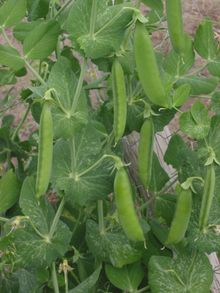
Pea plant in full fruit.


Peas originated in the Mediterranean and Middle East regions, they are eaten fresh or cooked.  They can be frozen, canned (pressure can method), or dried.  Peas are harvestable between 50 and 75 days depending on variety.  There are three primary types of pea; the snow pea, snap pea, and shelling pea.  Shelling peas are removed from the pod and only the pea seeds are eaten as the pods are tough and tasteless.  Snow peas are the variety most often seen in stir fries, whole pods with smaller undeveloped seeds inside.  Snap peas are eaten in the pod as well, but are even sweeter than snow peas and have a crisp, thick pod that is nearly stringless.  Depending on which way you prefer to eat your peas you could plant one, two or all three types of pea in your garden.

Peas are one of the first things planted in the spring, they can germinate in soils that are only 40 degrees F.  So long as the risk of hard frost has passed they can go directly into the garden.  Peas should be sown in the ground, rather than started indoors.  They are long and slim vining plants and don't always cope well with transplanting, they are also such fast growers, and have such large seeds that it's just much simpler to put them in the garden.  If they fail to germinate in a week or so, plant another round and keep waiting.  Pea seeds should be planted fairly deep, about an inch underground.  They take up little room and require little nutrition, they can be planted as close as 1-2 inches apart.  Or in SFG style, 8 plants to a square.  Pea seeds will only be viable for about 2 years, so despite their inexpensive price don't be tempted to stock up too much.  Peas are very easy to save seed from, simply leave the end-of-season crop on the vine until they brown and become dry, then harvest, dry further inside, then shell and store seeds in paper bags. (Avoid plastic bags as they can trap any remaining moisture and rot your seeds).  Peas also self-pollinate, they don't require pollinators, and generally each flower will pollinate itself.  This means that to accidentally cross two pea plants you pretty much have to rub them together.  Pea seed will fairly reliably produce seed that grows the same plants as the previous generation.

A cool season crop, peas prefer temperatures below 70 degrees.  Peas that mature in temperatures over 85 degrees can develop tough pods.  Also, peas stop putting on flowers once temperatures get over about 85 degrees.  Harvest continually to ensure continued production of fruits.  You can increase your harvest by using a pea innoculant, but innoculant in no way guarantees a great harvest. 

The greatest risk to peas is the enation virus, and you should watch for enation resistant varieties when selecting peas for your garden.  Peas actually build nitrogen stores in the soil they are planted in, so are a great winter crop or rotation crop to keep in the organic garden.  Move them around each year, or start an early spring crop in the space of later heavy feeders.  By the time the peas are finishing their growth the heavy feeding summer plants should be ready to put outside.

As vining crops peas will need a trellis of some type, which also helps to keep the fruits up off the ground and in easy picking reach.  Peas are an inexpensive, simple to germinate, delicious crop to grow and are perfect for gardens that have small children around.  Kids can pick them easily, eat them straight from the vine, watch how they grow and twine around each other and the trellis.  In general peas are a great crop for anyone.

Snow peas, purple beans, and zucchini: one day's harvest.
I prefer to grow the snow or snap peas, shelling peas are so easy and inexpensive at the store it just doesn't make sense to use up garden space on them, snow and snap peas are expensive though.  Plus, I don't look forward to all that shelling.  Snow peas are delicious eaten fresh, they can also be blanched and frozen for eating throughout the year.  Snap peas are also delicious fresh; sweet, crunchy, and very low in calories; snap peas do not store nearly as well though and can become mushy if frozen or canned.  I suggest growing primarily shelling or snow peas, with a small bunch of snap peas just to eat fresh.  Last year I planted 6 squares of peas, each square holding 8 plants and I was overwhelmed with the quantity of produce I harvested from them.  It may not seem like it at first, but over time, as round after round of peas is ready to pick you will find that each plant is actually very productive.  How many peas (in the pod) will you eat each day?  However many you think that is, that's probably about how many plants you need.  I will happily eat my way through 20-40 pea pods in a day, and my husband and kids rarely eat them.  So I need 20-40 plants to produce that amount, if I plan to freeze them I will have to plant more.  This year I am putting in more than last year because I only ended up with 2 quarts of frozen peas and would like to have more than that for next winter. 


Next time: Pea Recipes, My Own and links to others.

Monday, January 23, 2012

Slugs and Snails and Puppy Dog Tails

Just a quick post to address some of the most likely pests you'll have issue with in the garden.  Most garden pests are particular, tomato hornworms won't eat your lettuce, aphids may just stay centrally located on your rose buds, cabbage moths will lay their eggs primarily on the brassicas.  There are a few very common, very indiscriminate ravagers that you may come in contact with though: slugs and snails and pets.

Non-gardeners don't tend to think about pets as being garden pests, but take the word of someone with three cats: they can be the most destructive pests of all.  Nothing taunts a cat into tearing up tiny baby transplants like the soft, freshly turned dirt in a garden.  It calls to them to be turned into their own private toilet.  One of my cats even enjoys nibbling on the plants themselves.  Dogs can be a problem too, if your garden is in an area where your dog runs free it looks like no more than the perfect place to dig, poop, and roll around.  There are many suggested ways to keep pets out of the garden beds.  They range from motion detecting sprinklers, to hot pepper sprinkles, to sticking skewers point-up throughout the bed.  I've tried a few of these options, the sprinkler didn't make sense since my garden is so small and the cats enjoy the patio without causing any damage.  The skewers did work but I stabbed myself with them while weeding more often than I liked.  I was not willing to possibly do real harm to the kitties with hot peppers though.  This year I will go with what seems to me to be the most practical solution, it won't hurt them, or the plants, and isn't terribly expensive either.
This year I will build 4'x4' frames of 2"x2" wood posts, and wrap chicken wire around them in a small dome.  These covers will let light and water through to the plants, but keep out the destructive cats and as a bonus any other critters larger than a mouse.  They also can work as handy frames to stretch plastic or floating row cover over if needed.

Slugs and snails are a huge menace to new transplants as well, and are most prolific just when plants are put into the ground in the springtime.  Again, there are probably about half a million suggested ways to deal with these menaces.  I prefer to bait for them with organic-approved slug bait to keep the population in check.  You can also use beer traps, boards, and copper to manage them.  Beer traps are one of the best known ways to rid yourself of slugs, they are shallow dishes buried to soil level and filled with beer.  Apparently slugs have a real taste for beer and will drown themselves trying to drink it.  For a more hands on approach, and one that won't leave your garden full of beer dishes, you can lay a board across the soil and leave it overnight.  Each morning lift the board up and pick off the slugs that have taken shelter under its shade, then squish them or move them somewhere far away from your plants.  The one other method I've heard of to keep slugs and snails out of the garden is to surround plants with copper, which supposedly gives them a little shock if they slide over it.  I have yet to try this one out, so can't guarantee its effectiveness.  However, you don't have to go buy special copper tape for this method, you can lay down a circle of pennies that touch each other around each plant.  Some combination of any or all of these methods should keep even the sluggiest garden safe.  I plan to give the pennies a try this year; I'll bait like usual and then surround a few plants with pennies to see if it makes a difference in the amount of damage done.

Happy Gardening!

Kale, Kale, Rock N Roll!

One of the few things that you can still be harvesting in January is kale.  Kale is a relative of broccoli and cabbage, a brassica.  In moderate climates you can grow kale nearly year round.  It has few, if any, issues with pests and disease.  Kale is incredibly high in nutritional value as well, being a dark leafy green.  So why isn't kale grown in every garden all year?  Many people don't know much about it, or have no idea what to make with all of that kale.  Like the rutabaga, kale has gotten a bit of a bad rep.

Since kale really does grow so easily I really don't need to go into much detail on kale culture, just give it dirt, water and sunshine.  It should start easily from seed and can be grown almost any time of year; obviously not during a heavy freeze, or major drought.  Since kale doesn't need much detail regarding care, the more important question to answer is "what do I do with all that kale?".

One option is lizard food.  Anyone who has a vegetarian reptile, such as an iguana, knows they require dark leafy greens in their diets to stay healthy.  So feel free to donate your bumper kale crop to a friend with an iguana.

Kale is not like lettuce, it has a much tougher texture and is not as good fresh eating.  Instead it should be cooked and added to foods.  It can be added to soups, casseroles, colcannon (a great vegetable and mashed potato dish), or wilted and served as a side dish.  It will wilt quickly and should be kept in the coldest part of your refrigerator.  When grow in colder weather it is sweeter, if grown during the summer heat it will become bitter.  The one thing to watch out for is to wash it really well, the deep ruffles in kale leaves often collect dust and grit.  Wash well and enjoy.

Here are some of my favorite uses for kale:

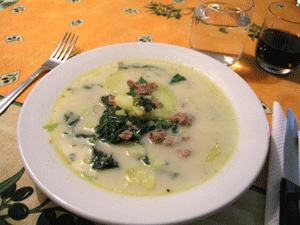
Olive Garden's Zuppa Toscana Soup


Colcannon


Bobby Flay's Sauteed Kale

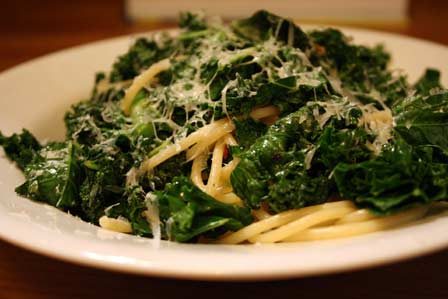
Spaghetti With Kale and Sun-Dried Tomatoes


Vegetable Barley Soup


Kale is a great way to add some nutrition and color to just about any cooked dish.  Good luck with your kale cuisine!

Perennial Herb Culture

Perennial herbs are generally the herbs with woody stalks that survive year after year.  In milder climates some soft herbs can survive for more than a year, such as chives.  Primarily the perennial herbs people think of are rosemary, lavender, thyme, oregano, sage, the mint family, and marjoram.  There are others but the culture of these plants is pretty similar between species.  Personally I don't recommend starting these plants from seed, the seeds are incredibly tiny, and a bit finicky to get started.  Plus they are available as starts everywhere and aren't terribly expensive.

Perennial herbs need a sunny spot that won't be a swamp during the wet season.  They manage pretty well in my area which is basically a temperate rain forest, but if they are in a depression and get too much water with too little drainage they can die.  I have never had a pest problem or disease problem with these plants.  In fact they have strongly scented oils that can act as repellents to some pests, and at the same time most produce a flush of flowers in spring or summer that attract many pollinators.  These herbs are a great addition to any garden, attracting bees and butterflies, smelling fabulous, keeping out pests.  They don't require any fertilization so long as they are in moderately fertile soil to begin with.  Adding nutrients early in the spring can improve the abundance of fresh growth in the springtime; but don't add more after June since they are finished with most of their growth at that point.

You can plant them in pots or in the ground around your garden, I wouldn't plant them in among your annuals though as planting new annuals each year could damage the roots of the perennials, and the perennials will spread quite a bit over time leaving your no room for the annuals after a few years.  If you put them in pots make sure to move them to a warmer spot during the winter.  I have never lost a perennial herb to frost when they're in the ground, but pots are not as insulating and I often have to replace potted herbs the next spring.
Pots of perennial herbs between vegetable beds.

Rosemary, thyme, sage, oregano and marjoram are all Mediterranean herbs; they are comfortable in hot, cool, dry or moist conditions; they will appreciate both thick clay soils and sandier soils.  In fact, I don't think I've met a soil they wouldn't grow in.  Mints on the other hand prefer a cooler spot with more moisture, sandy soil doesn't suit them well.  Different varieties of these herbs will grow in different ways also.  If you're looking for a ground cover an option to consider is a creeping or spreading version of rosemary or thyme, or a standard version of oregano.  All of these will stay low growing and spread over an area, they smell lovely and produce a sprinkling of tiny purple flowers in spring and summer.  Choosing variegated, or odd colored varieties can add some excitement as well, like lemon thyme with it's yellow and green splashed leaves, or purple sage.  For culinary use smell or taste the leaves of the plants before buying them to ensure they have the flavors you want as well as the look, woolly thyme for example is a spreading attractive ground cover but it is not as flavorful and therefore does not make a quality culinary herb.  No one will mock you for nibbling the plants at the nursery, I promise.
If you are looking for more upright growth in your herbs (for use as a back row with a fronting of bulbs or annuals, or something similar) chives grow a lively bunch of bright green onion-like tops, sage comes in a variety of colors and has a silvery fuzz to it's leaves, a standard (non-spreading) rosemary can reach 4 feet tall and act as a hedge, lavender stays fairly small and makes a great perennial border, and most varieties of mint spread by underground runner and stand up to 18 inches high.

All of these herbs can be cut fresh with a pair of scissors and added to foods, teas, or used as fragrance.  They can also be dried.  To dry herbs hold a bunch of stems in your hand no bigger than you can wrap your index finger and thumb around (if your bunch is too large the center may not get adequate air flow and can mold), tie the ends together with a string, hang in a cool, dry place where they will get ventilation.  Under the eaves of your porch, on a clothesline strung across your laundry room, wherever you can find the space.  I hang my bunches from my pot rack over the island, if my stove were underneath it I wouldn't hang them there because the heat and moisture coming off the stove could ruin the herbs.  Let them dry like that for a week or more, until the leaves are crisp and crumble under your fingers.  If in doubt about whether they are dry enough, just let them hang longer until there is no doubt.  Once they are totally dry you'll want to store them in airtight containers; either plastic bags stored in the freezer or in spice jars in the cabinet.  Either way you will save a lot of space by stemming the herbs and giving them a quick grind with a mortar and pestle or spice grinder. you can continue to hang your herbs in their bunches but they will lose flavor faster and can get a build up of dust on them if left for long.

My favorite way to deal with my dried herbs is to throw together some Italian seasoning, one of the spice mixes I use most often.  First I get my herbs all prepped for putting in jars or the freezer, then just mix together  roughly equal parts rosemary, thyme, oregano, basil, and marjoram.  Then store in a glass spice jar labeled Italian Seasoning.  If this blend isn't to your taste you can also add in savory, or red pepper flakes if you prefer it a little spicy, some people also add garlic, onion, or parsley.  I prefer to keep it a simple blend and add those extras only for certain dishes, or if I have no fresh onion or garlic.

20 year old rosemary at Dad's, rhododendron behind.
Some other great ways to use these plants include: lavender sachets, dried catnip for pets, herbal soaps and lotions, potpourri, rosemary barbecue skewers, sage smudging, teas, mint sprigs in drinks, and medicinal tinctures and teas.

Friday, January 20, 2012

Plant Genetics and Hybrids

Punnett square showing pea cross
Ever seen one of these before?  It's called a Punnett square.  Do you remember high school biology? If so, you probably remember learning about Mendel and his peas.  Gregor Mendel used these little squares to determine certain laws about how genetics work, he used peas as one of the experiments to test these theories. 
in the Punnett square above you can see two pea parent plants.  One is yellow and has a dominant Y (yellow) gene and a recessive y (green) gene, the other is green and has 2 recessive y (green) genes.  When these two plants cross-pollinate the seed they produce will grow into 50% yellow peas and 50% green peas.  But what if you only like yellow peas? Well then, you'd better not grow any green ones nearby or cross-pollination could happen and you'd end up with some green in the mix.

So why talk about genetics on a garden blog? Because of hybrids (and I don't mean cars).  Hybrid seed is often listed as F1 or F1 hybrid.  Basically this is a first generation cross of two plants that show good qualities.  While hybrid seed has it's advantages; being consistent in phenotype, having the best qualities of both parents, and being widely available.  It also has disadvantages for the home gardener.  Primarily, the seed from two hybrid parents will likely produce a large amount of recessive seeds.  This means that two parents with great qualities will likely produce 75% recessive gene (bad quality) seeds.  Those seeds will then grow into plants that don't have the same color, flavor, heat tolerance, or disease resistance that the original hybrids did.  Or they will simply be sterile and not produce usable seed at all.

The alternative to hybrid seed is open pollinated seed.  This means that the plants that will grow are from a stable genetic background that has been bred over many generations to eliminate most recessive throwbacks.  Open pollinated plants will also cross together to create new strains with very similar qualities of the original plants.  The major advantages to OP seed is being able to save your own seed (saving you money), creating new strains, and each successive generation grown in the same area will show improved adaptation to that area.  If your garden seems to suffer from something unknown fairly regularly, after several generations an open pollinated plant will begin to build a resistance and you will see each new generation producing healthier and better producing plants.

There are some exceptions when buying OP seeds that need to be understood.  OP plants will cross-pollinate with ANY nearby plants that are genetically close enough to them.  For example, carrots are only sold as F1 hybrids in my area because a common weed here is too close a relative to them to make the resulting OP seed safe for eating.  Queen Anne's Lace is everywhere in this area, and is a close cousin to the carrot, but not edible.  If I were to collect any seed from carrots I grew, it would most likely produce Queen Anne's Lace, and some half-QAL half-carrot hybrids.  So in this instance I am forced to buy hybrid seed. 

Seed catalogs often list plants as hybrid or OP and a little research can help you to decide which is best for you.  There are many books on plant biology and genetics as well to help gardener's learn how best to breed plants.  One thing to be careful of when collecting seed from plants is the crossing of different species within the garden.  Pumpkins, butternut squashes, acorn squash... all of these are from the same plant family and it is possible to have them cross pollinate unintentionally.  If you are serious about your seed production you can limit this by either only planting one type of each family in your garden, planting the different species far from each other, or by selecting a newly opened flower, hand pollinating it with the correct pollen and then gently bagging it to keep other pollens out until it begins to fruit.

My Seed Order Arrived!

2012 seed order.  Sometimes I get a little carried away!

Yesterday my seed order arrived in the mail.  I am very lucky to have a seed company in my area that grows a number of plants specifically bred to do well in western Oregon.  Territorial Seed Company has a website, beautiful color catalogs, and is packed with information on each of the seeds they offer.  They also offer a limited selection of live plants, including fruit trees, and a large variety of garden tools and equipment that are difficult to find elsewhere.  My order arrived three days after it was placed (all but the rhubarb root division which doesn't ship until March).  I love TSC and am incredibly glad to have such a great company in my area.  My son was super excited to see the little box arrive, and kept asking if we could plant the vegetable seeds. It was hard to explain to a 3 year old the concept of "Spring" and that it was too cold and wet for the little seeds to grow still.  Some of the new things I am trying out this year are artichokes and rhubarb; and trying my luck on corn and leeks.  Kale and Swiss chard are also new to me, but I doubt I'll have any trouble growing them since they both grow like weeds in this climate year-round.

I think I may have bought too many peas though. Looking at the half pound bags of peas I am a little daunted, and the package says that pea seeds last 2 years, so I have this year and next to make those peas worth my $5.  If a pound of fresh snap peas is between $2.50 and $3.00 in the grocery store, the peas really only need to produce two pounds to be worth the seed cost.  Since peas don't need to be started inside there are no seed starting costs either, and I expect them to pump out at least 10 lbs. of peas in the 12 square feet I will plant.

One day's harvest of strawberries, nearly 5 lbs.  Well worth the cost!
Which brings me to my next subject:  making your garden worth the cost.  Of course any garden is worth the cost.  Aesthetically, as well as in terms of it's habitat and environmental benefits.  However, some of us have husbands that don't grasp the importance of aesthetics, and prefer to see the bottom line when it comes to letting his hard-earned cash go into a piece of dirt.  And finally, after 3 years of gardening, I have been able to show my husband that I can make it worth our while to invest in that dirt patch.

Some of the most money-saving plants in the garden are also some of the easiest to grow: herbs!  The little packets of fresh herbs sold in stores are generally a few dollars each, yet from one $2 rosemary plant you can have as much fresh rosemary as you could ever want or need for the next 20 years, and enough to stock up your friends' spice racks as well.  My parents had a rosemary that they planted as a 4" start when they moved into their house; it died last year, after growing four feet tall and four feet wide over 20 years and putting out so much fresh rosemary each year we resorted to burning it on several occasions because we ran out of room to dry it.  In fact, all of the perennial herbs will grow and produce for many years saving you a lot of money in store bought herbs, both fresh and dried.  Annual herbs also grow more than most people will use each year, you have to replant them every spring, but it's worth it for fresh pestos and dried herbs and all the dill you could want for your homemade pickles.  one of my favorite things to do with all of these herbs is mix up my own Italian seasoning rather than buy more from the store.  And guess what? It's all completely organic!

Most of the rest of my vegetables balance out my costs each year, but the herbs have proven to be my biggest money savers.  Generally fruits and veggies run between $1 and $2 per pound; so if I spend $150 on seeds and plants, and $150 on soil amendments, pest management, and equipment in a season I will need to grow 150 to 300 pounds of produce to make it worth the money.  Each year I get a little closer to this balance point.  The first year I spent a lot more on the garden, and got less in return.  The second year my costs were lower and my returns greater.  Last year my spending totaled around $400 and I got well over 200 lbs of veggies; that's $2/lb. I met my goal!  This year I am planning to weigh each harvest as it comes into the kitchen and keep a running tally to see exactly how many pounds my garden produces.  I'm hoping to bring my costs down to around $1.50/lb. this year, and even lower next year by saving a lot of my own seeds.